Showing posts with label Mesothelioma. Show all posts

Mesothelioma Prognosis

Approximately 2,000 to 3,000 new cases of mesothelioma are diagnosed in the United States each year. Once a patient is diagnosed, a doctor will likely discuss their prognosis, or probable course and outcome of the cancer's influence on the body. The best way to improve a patient's mesothelioma life expectancy is through early detection. Mesothelioma treatments are more effective during early stages of cancer development, but there are a number of factors that affect a mesothelioma prognosis.

In an effort to help patients understand their prognosis, Asbestos.com offers a complimentary packet that contains treatment information tailored to your specific diagnosis. The packet also covers the nation's top mesothelioma doctors and cancer centers, as well as financial assistance options to help cover medical costs. To receive your packet in the mail, please enter your information below.

What Factors Affect Prognosis?

Mesothelioma is not generally diagnosed until the latest stages of development because of the amount of time it takes for patients to exhibit symptoms. In addition to this, the symptoms of mesothelioma are very general and often resemble less serious conditions, which can make the cancer difficult to diagnose. As a result, the prognosis for the majority of patients is poor, but many doctors can recommend treatment options such as surgery, chemotherapy and radiation to help combat the disease.

Doctors typically address the cancer in terms of stages, ranging from stage one to stage four. Unfortunately, once mesothelioma cancer has reached stage three or four, treatment options not only become more limited but less effective as well. When a patient is diagnosed with stage four mesothelioma, their health condition often rules out the possibility of surgery. Treating mesothelioma becomes more difficult the later a diagnosis occurs.

Asbestos.com offers a complimentary packet containing information about treatment options and top doctors that may be able to help improve a patient’s prognosis. Click here to receive your packet overnight.
In addition to the stage of the cancer and the age of the patient, other factors that affect prognosis include:
  • The type of mesothelioma – pleural, peritoneal, pericardial or testicular
  • The size of the tumor
  • The location of the tumor and whether it can be surgically removed
  • The extent of other symptoms, including fluid in the lungs or abdomen
  • Whether or not the patient is a smoker
Malignant mesothelioma is typically diagnosed in individuals over 55 years old, though there are certainly exceptions. Some patients already have multiple medical problems caused by advancing age, making treatment even more difficult and increasing the mortality rate among mesothelioma patients.

Mesothelioma Risk Factors

There are several risk factors that increase the likelihood that a person will develop mesothelioma. The primary risk factor is asbestos exposure. Exposure to this very harmful substance can significantly enhance the chances of contracting the disease. Smoking does not have a direct causal relationship with mesothelioma but is a significant compounding factor and increases the chances of developing the disease. Other less common secondary factors include exposure to radiation, zeolite, simian virus 40 (SV40) and erionite. We discuss each of these risk factors in more detail below.

Exposure to asbestos is the leading risk factor associated with mesothelioma. Asbestos is an insulating material comprised of magnesium-silicate mineral fibers. It was favored by builders and contractors for many years for its low heat conductivity and resistance to melting and burning. Since researchers have identified more and more links between mesothelioma and exposure to asbestos, the material is now less widely used. Prior to this discovery, however, millions of Americans have experienced serious exposure to this harmful substance.

Smoking and Mesothelioma
Smoking alone is not linked to mesothelioma, but smokers who are exposed to asbestos have a much higher chance of developing asbestos lung cancer (as much as fifty to ninety percent higher) and as much as double the risk of developing mesothelioma.

Mesothelioma Chemotherapy

Chemotherapy is one of the most widely used treatments for cancers of all types. Literally meaning "chemical therapy", it was developed in the 1940s and, today, more than 100 chemo drugs are on the market. Chemotherapy uses certain medications to kill cancer cells and stop them from multiplying. A number of different chemo drugs can be used to treat mesothelioma, though some have been discovered to be more successful than others. Often, chemo is used for mesothelioma patients in conjunction with other standard therapies such as mesothelioma radiation. It may also be used before mesothelioma surgery or after the surgery to eliminate any cancer that remains after the procedure is complete.

Chemotherapy, over the years, has elicited fear in many patients. Everyone has heard the horror stories about the nasty side effects of the treatment, and though newer chemo drugs carry fewer side effects, getting a course of chemo treatment is generally not a pleasant experience. Those with mesothelioma cancer to whom chemotherapy is recommended for palliative reasons need to carefully consider these side effects before agreeing to the treatment, weighing the positives and negatives and how the treatment will impact quality of life.

Receiving Treatment

Chemotherapy is generally given intravenously or may also be administered in pill form. This type of chemo is called "systemic" chemotherapy, as it travels through the blood stream and reaches the entire body. Systemic chemotherapy carries the most side effects because not only does it do the job it is meant to do - kill fast-growing cancer cells - but, unfortunately, it also kills other kinds of fast-growing cells such as hair and blood cells. Hence, many people lose their hair and suffer low white or red blood cell counts as a result.

Some pleural mesothelioma patients may be candidates for a different kind of chemotherapy that more closely targets the tumor and causes fewer side effects. Known as intrapleural chemotherapy, this method involves infusing drugs via a catheter into the chest area, the site of the primary tumor. This intracavitary chemotherapy treatment has proven to be most successful in treating cancers that are still limited to just the pleural surface. A similar procedure is available for those who suffer from peritoneal mesothelioma.

Common Mesothelioma Cancer Chemo Drugs

A number of different chemotherapy drugs can be used to treat mesothelioma. Currently, the most widely used drug and the one with which doctors have had the most success is Alimta®. This drug is usually used in tandem with a platinum agent like Cisplatin and has been shown to add several months to the patient's mesothelioma life expectancy in many cases.

Alimta®

Alimta is a systemic drug and is injected into the vein. It is normally given once every 21 days. Patients who are prescribed a course of treatment with Alimta will also be expected to take folic acid and Vitamin B12 to lower the chance of developing harmful side effects. This is essential! Patients will also be given a round of corticosteroids, usually for 3 days, in conjunction with each Alimta injection in order to avoid certain adverse skin reactions.

Cisplatin

Cisplatin is administered through an IV and is frequently used in combination with other drugs like Alimta. Doctors will treat mesothelioma patients with Cisplatin when surgery is not an option..

Carboplatin

Carboplatin was introduced to the market in the late 1980’s and was derived from an older drug known as Cisplatin. It has fewer and milder side effects than Cisplatin but can inhibit the body’s production of blood cells.

Gemcitabine

Gemcitabine, a chemotherapy drug brought to market by Eli Lilly and Company is often used in combination with Carboplatin. Patients treated with the drug report fewer and milder side effects.

Onconase

Onconase is a promising new chemotherapy drug for treating mesothelioma that is still being evaluated in clinical trials. One of the key advantages of the drug is that it kills cancer cells while preserving healthy tissue.

Navelbine

Navelbine is often used in combination with Cisplatin in treating mesothelioma. It can be administered orally or through an IV and has been successful in reducing the size of tumors.
Other chemo drugs used to treat mesothelioma patients include vinorelbine, mitomycin and raltitrexed. These are generally used in combinations but may be used alone if the patient is unable to tolerate two drugs.
The chemotherapy drug of choice will vary with each different case. Oncologists choose the drugs they believe will most benefit the patient while also taking into consideration side effects and other important issues surrounding the use of chemotherapy. It may take more than one try to discover which drugs will be best suited to the patient.

Side Effects

Chemo brings with it many side effects though, as previously mentioned, newer drugs prompt fewer negative reactions. Most side effects are short term and will indeed go away shortly after treatment ceases. Others will last a little longer. Nonetheless, any and all side effects should be reported to the patient’s medical team, even if they are deemed “common” side effects of chemotherapy. This is especially important after the first treatment when it is particularly difficult to predict how the patient will react to certain drugs. Prompt treatment of certain side effects may help lessen them or stop them all together.
Mesothelioma Chemotherapy The most common side effects of mesothelioma-related chemotherapy include:
  • Chemo Brain - Chemo Brain is a condition that is reported in a large number of patients who receive chemotherapy and other types of cancer treatment. While there is currently no “cure” for chemo brain there are a variety of habits that can be adopted to help manage it.
  • Hair loss - Loss of hair occurs because hair cells are fast-growing like cancer cells. Chemo drugs are unable to distinguish one from the other and, as a result, these cells suffer death at the hands of the drugs and the patient’s hair falls out.
  • Mouth sores - Mouth sores - or mucositis - are an inflammatory reaction of the mucous lining of the upper gastrointestinal tract, affecting the mouth, lips, throat and surrounding tissues. These are one of the most painful side effects of chemo and can also interfere with nutrition as the sores make it difficult to chew and swallow and can also affect taste. In general, they cannot be prevented but they can be managed. The patient will need to keep the mouth and lips moist and will want to ask their doctor about ways to treat discomfort and pain associated with mucositis.
  • Nausea and vomiting - Though newer drugs cause far less nausea than older ones, the patient is generally given an anti-emetic drug before chemo to lessen the chance of stomach distress. Inform your doctor if nausea gets out of hand and lasts more than a day or two, interfering with eating.
  • Increased chance of infection - This is due to low white blood cell counts. Those undergoing chemotherapy should avoid contact with sick individuals.
  • Bruising or bleeding - This is due to low platelet counts caused by the drugs.
  • Fatigue - When the red blood cell count is lowered due to chemo drugs, severe fatigue sets in. Chemo patients should strive to get as much rest as possible.

Abdominal Mesothelioma

The medical term for mesothelioma that develops in the abdomen is peritoneal mesothelioma, a variation of the disease that develops in the peritoneum, which is the layer of tissue lining the abdominal cavity wall. The predominant symptom is swelling of the abdomen, due to the production of abnormal amounts of the peritoneal fluid that is normally present in small amounts. The cancer cells develop in the peritoneum, creating small malignancies spread over the surface of the tissue.

The abnormal cells cause the development of excess fluid, which acts as a conduit for malignant cells into adjacent tissues including the lymph systems and eventually nearby organs in the abdominal cavity. Because symptomatic behavior occurs after the disease has matured to a degree the treatment options most patients face are for a cancer that has already moved through the early stages. Peritoneal mesothelioma is generally a diffuse form of cancer made up of a layer of small tumors; on infrequent occasions it will manifest as a single growth of greater mass.

Symptoms of Abdominal Mesothelioma

Physical manifestations that begin to develop as the disease develops are similar to more common abdominal afflictions, which is why diagnosing abdominal mesothelioma can be a process of elimination. Annual diagnoses of the disease in the United States are no more than 500 occurrences per year. Those developing symptoms include:
  • Abdominal Swelling
  • Abdominal Pain
  • Weight Loss
  • Nausea
  • Gastrointestinal Disturbance
  • Fatigue

Abdominial Mesothelioma Diagnosis

There are instances of "dry" peritoneal mesothelioma where the development of excess fluid is not present. In those instances a single tumor may develop which can be seen in a CT scan. The diffuse small tumors normally associated with the disease can also be seen on a CT scan but require further diagnostic steps to determine whether they are in fact tumors or simply cystic growths. A sample of the abdominal fluid can be withdrawn using a procedure called paracentesis for diagnostic purposes, but even then the evidence of cancerous cells is not sufficient. A biopsy is required, most often performed through the naval with the assistance of a laparoscope.

Treatment Options for Abdominal Mesothelioma

If cancerous tissue is located the options for treatment depend on the stage to which the disease has advanced. If it has metastasized to organs within the body then palliative care is likely the only option. If the malignancy is sufficiently contained to be "debulked," the malignant peritoneal tissue may be removed along with growths that have developed in lymph nodes and adjacent surfaces such as the small bowel. Surgical resection is the preferred choice for patients who are healthy enough to recover from major surgical intervention.

The most successful post-surgical treatment has proven to be intraperitoneal chemotherapy that applies chemotherapy medications directly to afflicted areas within the abdominal cavity. The most common medication for this purpose is cisplatin, which is often heated before application. The most responsive cellular form of mesothelioma to this type of treatment is epithelioid; biphasic and sarcomatoid cells are not effectively reduced either by this type of chemotherapy or generalized chemotherapy.

Mesothelioma and Asbestos

While a rare disorder in the general population, mesothelioma is not rare among individuals exposed to asbestos. There are two to three thousand new diagnoses of mesothelioma every year. Exposure to asbestos is the only confirmed cause of mesothelioma. Most mesothelioma victims were exposed to asbestos in the workplace and were never told of its dangers or given proper protective gear. Others were exposed through family members who brought asbestos home on their clothes or through home renovation projects.

Unlike many other predominantly pulmonary-related cancers, cigarette smoking has no known causative effect on mesothelioma incidence, although asbestos workers who smoke do have a much greater likelihood to develop lung cancer — even more so than regular smokers who don’t work with asbestos.
One of the most difficult aspects of mesothelioma to come to terms with is its long latency period, which is the period of time between first exposure to asbestos and the onset of the disease. Mesothelioma can develop anywhere between 10 to 70 years after the initial exposure.

Tragedy of Mesothelioma

The great tragedy of mesothelioma is that it was preventable. Many of the corporations that manufactured and profited from the sale of asbestos-containing products were aware of the hazards of asbestos. These companies did not warn of the risks or protect workers. It was their legal duty to know about their products and to test them for any potential hazards. If a potential hazard did exist, the company had a responsibility to warn workers of these hazards.

In many cases, they hid the knowledge they had in order to protect themselves from liability or from having to find a new business model. The result is that many workers have unnecessarily developed mesothelioma. If you are one of the victims of mesothelioma, you should seek out a competent mesothelioma lawyer so you can file a claim or a lawsuit against those responsible for your cancer

Mesothelioma Surgery

When an individual is diagnosed with cancer, treatment options will be one of the first topics discussed with the oncologist. The available treatment options will vary from patient to patient depending on the type of mesothelioma that has been diagnosed and the stage that the disease has progressed to. Mesothelioma, in particular, is a very serious and aggressive form of cancer for which treatment options have traditionally been quite limited.

When a recently-diagnosed mesothelioma patient is presented with options for treatment, surgery may be recommended. There are different forms of mesothelioma surgery and some are proposed as a curative measure, while others are designed to relieve symptoms of the disease that can be quite debilitating and interfere with the patient's quality of life.
Curative Surgeries

Due to the nature of mesothelioma and the fact that by the time a diagnosis is made the disease has usually reached an advanced stage, a surgical cure is not a likely option. However, in some cases, surgery is suggested in order to remove as much of the cancer as possible and is often followed by other mesothelioma treatments such as chemotherapy and/or radiation.

Ideally, candidates for these surgeries will be in the early stages of the disease where the tumor is still fairly localized and metastasis has not occurred. In addition, the patient will need to be in overall good health and free of other medical issues that can complicate these procedures and lengthen the recovery period. Extant medical issues - like heart disease, hypertension, and diabetes - are often an issue with older mesothelioma patients, further limiting treatment options and making aggressive surgical procedures a less favorable choice.

A pneumonectomy is a radical surgery that involves the removal of the diseased lung. Candidates for this procedure have mesothelioma that is limited to just one lung. Performed under general anesthesia, this is quite a complicated surgery that can take up to three hours to perform. During the surgery, the diseased lung will be deflated and after several steps to prevent bleeding into the chest cavity, the lung is removed through a fairly large incision. At times, part of the fifth rib must be removed as well to provide better access to the lung. A drainage tube will then be inserted and the incision closed. The patient will remain in surgical intensive care for about 48 hours and then in a regular hospital room for one to two weeks, depending on complications, which are very common with this procedure and occur in some 50 percent of patients. It can also take up to six months for the healthy lung to learn to do the job of both lungs; hence, shortness of breath is a considerable problem for pneumonectomy patients and many take several months to resume their normal activity.
Extrapleural Pneumonectomy

Recommended only in rare cases, this surgery involves the removal of the affected lung as well as the areas surrounding it. It is a very risky surgery and carries with it a long list of complications including heart failure and serious gastrointestinal problems. The procedure is similar to that of the pneumonectomy and candidates are those who are in the earlier stages of mesothelioma, which has not spread to the lymph nodes. Candidates should also be in otherwise good health. The recovery period can last for up to a half-year or longer.

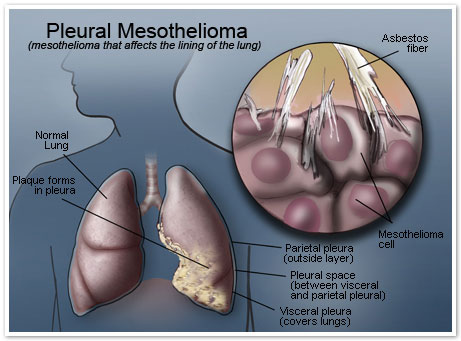
A pleurectomy involves the removal of the visceral and parietal pleura, which is the lining of the lungs. This may be used as a potential curative procedure but also may be performed to address pleural effusion, the build-up of fluid in the lungs. This surgery is performed under general anesthesia. To perform a pleurectomy, an incision is made in the affected area, which has been numbed with a local anesthesia. Through this incision, both the inner and outer linings of the lungs are removed. The surgeon may also opt to remove the lung tissue beneath the pleura. The procedure is sometimes followed by chemo or radiation to remove any remaining cancerous tissue. The post-surgery stay for the pleurectomy is generally about a week but may be longer if complications arise during or after surgery, including bleeding or infection.

Peritoneal mesothelioma

Peritoneal Mesothelioma is a relatively rare form of malignant mesothelioma, making up twenty to twenty five percent of diagnosed mesothelioma cases. This type of mesothelioma affects the cells of the peritoneal mesothelium, also known as the peritoneum, which is the membrane lining the abdominal cavity wall. In this area of the body the mesothelium membrane also supports and protects organs in the abdomen. The peritoneum is made up of two layers, called the visceral and parietal layers. The parietal layer is an outer layer that covers the abdominal cavity, while the visceral layer covers internal organs and the intestinal tract.

All types of mesothelioma are caused by the presence of microscopic asbestos fibers which most often enter the human body by inhalation. These fibers are given off by deteriorating or torn asbestos material, they can float in a dust cloud for a long period, and they are unnoticed when inhaled. That is how they enter the lungs and cause pleural mesothelioma in the lung lining. It is less clear how these fibers make their way to the abdominal cavity.

It is possible that they are ingested in some fashion and work their way through the intestinal system just as they pass through the lungs to the outer layer. It has also been suggested that they pass through the body via the lymphatic system. In any case, when they become embedded in the peritoneum they can cause an assortment of symptoms and eventually cause the development of abnormal, malignant cells.

Impact of Asbestos Fibers on the Peritoneum
One of the most common symptoms of peritoneal mesothelioma is ascites, or the accumulation of excess fluid in the abdominal cavity. This symptom can be assigned to a number of more common conditions, from liver disease to intestinal problems. Just as with pleural mesothelioma, the nature of the symptoms can be misleading. One study cited a mean period of 122 days from the presentation of symptoms to diagnosis.

Once in the peritoneum, asbestos fibers cause changes in peritoneal cells that cause them to divide without restraint, causing the peritoneal layers to thicken. The growth of cancer cells puts pressure on internal organs, and this pressure is increased by the fluid buildup. The accumulation of pressure can sometimes cause adjacent organs to begin to malfunction, further complicating diagnosis. Intestinal obstruction can occur, as can emergency surgery due to inflammatory lesions. Thrombosis in the veins and hypoglycemia are common symptoms.

Despite the evidence of some sort of highly intrusive affliction, CT scans and radiology exams won't result in a firm diagnosis. A precise diagnosis based on imaging alone is not possible. Peritoneal mesothelioma may consist of a single tumor, diffuse small tumors, or a combination along with benign calcified nodules. It is not a disease that can easily be addressed surgically.

Symptoms of Peritoneal Mesothelioma
The section above discusses many of the more severe symptoms of peritoneal mesothelioma. When a patient is first seen, however, the collection of complaints may include some very common physical conditions that can be attributed to several different ailments. A brief list of common initial symptoms:

    * Weight loss
    * Fever or night sweats
    * Pain or swelling in the abdominal area
    * Obstruction of the small or large intestine
    * Anemia
    * Edema or thrombosis in the legs

Peritoneal Mesothelioma Diagnosis
Once a physician has determined that this rare disease may be involved in the case, diagnostic measures are multifaceted. While the use of imaging equipment cannot produce a complete diagnosis, it can produce evidence of a mass growing on one of the peritoneal mesothelium surfaces, or show an accumulation of small irregularities that may be tumors or plaques.

Biopsy is a common choice at this juncture, often performed along with a laparoscopy in order to allow for more accurate observation of any internal masses. Protein markers found in blood samples that are evidence of one of the two types of mesothelioma cells – epithelial or sarcomatoid – are used in some pathology labs.

Treatment for Peritoneal Mesothelioma
Despite the commonly diffuse nature of peritoneal mesothelioma, surgical resection is still the best option if the disease is at the stage where most or all of the malignant tissue can be removed. In situations where all of the diseased tissue cannot be removed, as much as possible is taken and the procedure is called "debulking." Where possible, "intracavity" chemotherapy is undertaken during the surgical process to more precisely target the malignant areas remaining within the abdomen.

For most patients with peritoneal mesothelioma that has metastasized to one of the nearby organs treatment is palliative, and is designed reduce the rate at which the cancer spreads. If the surgery is relatively successful and the following therapy has some effect the survival time can stretch beyond two years. For partial resections the survival period is far shorter.

In cases where surgery and chemotherapy are not suitable treatment options, palliative treatment is used to provide symptomatic relief; however, such treatments cannot slow the progression of the cancer. These types of treatments are used simply to manage pain and provide relief from symptoms such as the build-up of fluid in the peritoneal cavity.

It is difficult to find survival period figures that reflect the results of a large sample. However the consensus seems to be that post-surgical survival times for peritoneal mesothelioma is better, on the average, than for pleural mesothelioma. A study done in the UK followed seventeen patients over a period from 1998 to 2007 who underwent surgery for resection of peritoneal mesothelioma, followed by a thorough chemotherapy program. Eight of the patients had a partial resection, or debulking, of malignant tissue and eight had a full resection. The average survival period for those with a partial removal of cancerous tissue was one year, while for the patients with a full resection it was 3.7 years. Either figure is well beyond the survival rates for pleural mesothelioma patients

Pericardial Mesothelioma

Pericardial mesothelioma, or mesothelioma of the pericardium, is a disease that affects the lining of the heart (pericardium). It is a common misconception that mesothelioma is a type of primary lung cancer; it is not. Mesothelioma is a cancer of the serous membranes. These membranes enclose a number of organs throughout the midsection of the body, including the heart. The most common type of mesothelioma is pleural mesothelioma, which affects the serous membranes of the lungs.

The least common form of mesothelioma cancer is pericardial mesothelioma. Pericardial mesothelioma can spread to the lungs and when this occurs, it is considered secondary lung cancer. Mesothelioma is also sometimes referred to as an asbestos lung cancer. Technically, this is also incorrect, since it does not originate in the lungs. Asbestosis is a type of asbestos lung disease that does originate in the lungs and is often confused with mesothelioma.

Pericardial Mesothelioma Cancer
Pericardial mesothelioma cancer is found in less than 10 percent of mesothelioma patients. While pleural mesothelioma is fairly well understood (inhaled asbestos fibers become imbedded in the lining of the lung and lead to cancerous tumors), pericardial mesothelioma is not. Pleural mesothelioma develops because the inhaled asbestos fibers are very durable and cannot be eliminated through the body's processes. Over time, these fibers cause chronic inflammation that eventually leads to growth of cancerous tumors or, in some cases, asbestosis. In contrast, researchers and doctors are unsure how the asbestos fibers become lodged in the heart’s serous lining, or pericardium. One theory holds that asbestos fibers are broken into smaller pieces in the lungs and then carried  into the blood stream. From there, proponents of this theory hypothesize, the fibers are pumped through the heart, become lodged in the heart lining, and cause the chronic inflammation that leads to cancerous growths (as with pleural mesothelioma).

For pericardial mesothelioma, it is not clearly understood how the asbestos fibers become lodged in the heart serous lining or pericardium. It is possible that asbestos fibers, after being broken into smaller pieces in the lungs, are carried from the lungs into the blood stream. As the fibers are pumped through the heart, they become lodged in the heart lining. Once lodged in the pericardium, the chronic inflammation process leading to cancerous growths is similar to that occurring in pleural mesothelioma.

Because pericardial mesothelioma is so rare, there is little specific research on this type of mesothelioma. Approximately 2,000 new cases of mesothelioma are diagnosed each year, and fewer than 200 of them are pericardial mesothelioma.

Pericardial Mesothelioma Symptoms
As in the lung, the rapid growth of the cancerous tumors can cause expansion of the tissue and accumulation of fluid. The fluid can interfere with the functioning of the heart and cause chest pain and irregular heartbeat. Patients are typically diagnosed when they complain of chest pain or other heart-related symptoms after even limited exertion. Shortness of breath and cough are less common symptoms of pericardial mesothelioma cancer. Unlike the lungs, it is less common for other cancers to metastasize to the heart.

Pericardial mesothelioma patients can exhibit all three kinds of mesothelioma cancer cells: epithelioid mesothelioma, sarcomatoid mesothelioma and biphasic mesothelioma. The type of cancer cells can affect the mesothelioma prognosis. It is thought that patients with biphasic mesothelioma cancer cells have a shorter life expectancy.

Epithelial Mesothelioma

There are two types of cells associated with malignant mesothelioma : epithelioid and sarcomatoid. Mesothelioma develops from one of these two types of cells, or develops as biphasic mesothelioma which is a combination of the two. Epithelial mesothelioma defined by its malignant epithelioid cells, occurs in up to sixty percent of all cases of the disease. Sarcomatoid is relatively rare, occurring in less than ten percent of all cases. Epithelial is by far the most common cellular form of mesothelioma.

The epithelial cancer cells that develop with mesothelioma are the most responsive to the treatments currently available for mesothelioma. Patients with this form of the disease have longer average survival times than those who develop biphasic mesothelioma or those who have sarcomatoid cells associated with their cancer; these are more resistant to treatment than epithelial cells and faster growing.

Epithelial cells are common to connective tissue, such as is found in the inner surface of the lungs as well as in the mesothelium. It is a common type of cell and in its malignant form can be quite similar in the case of mesothelioma and adenocarcinoma, which can be a type of lung tumor. The confusion over these similar epithelial cells can often lead to misdiagnosis.

Epithelial Mesothelioma Symptoms
Epithelial malignant mesothelioma can affect different areas of the body. Mesothelioma is cancer to any of the tissues that surround internal organs. Sixty percent of epithelial malignant mesothelioma occurs in the pleural tissues of the lungs. This develops almost exclusively as a result of asbestos inhalation. The symptoms of epithelial malignant mesothelioma that affect the lungs include:

    * Shortness of breath
    * Persistent cough
    * Pain in the chest
    * Viral pneumonia symptoms

Many patients are asymptomatic. The right lung is affected sixty percent of the time, the left lung thirty five percent, and both lungs are affected in five percent of epithelial malignant mesothelioma cases.

Epithelial malignant mesothelioma is also common in the peritoneum of the abdomen. This is caused by the ingestion of asbestos that enters the air. Patients with this type of mesothelioma may also remain asymptomatic for years and years, though the following symptoms may be present: weight loss, nausea, effusion (fluid build-up) in the stomach, bowel difficulties, foot swelling and anemia. Malignant mesothelioma can also affect the reproductive organs, the heart, and other major organs.

Epithelial Mesothelioma Prognosis
A person who has been exposed to asbestos for one or two months has the potential to develop epithelial malignant mesothelioma or other asbestos related illnesses up to fifty years later. Mesothelioma has a long latency period. Once diagnosed the prognosis is often bleak. The average patient has a year left to live after they discover their condition.

Risk of Epithelial Malignant Mesothelioma
People who are at risk for developing epithelial malignant mesothelioma include employees who work with asbestos containing materials. Construction workers are particularly at risk, though professionals in the building, shipyard, railroad, and automobile industries as well as people with custodial duties may also be at risk. People who were exposed to asbestos as long ago at the 1940s may still be at risk for contracting this life threatening cancer.

Treatment for Epithelial Mesothelioma
For years mesothelioma treatment has consisted of a combination of surgery and chemotherapy, and often radiotherapy as well, with limited results. The average survival time after diagnosis for this disease hasn't moved much beyond one year. Today however there are some surgeons getting impressive results with cases that have the epithelial characteristic. The technique includes aggressive surgery for both pleural and peritoneal mesothelioma. In the case of pleural mesothelioma, the malignancy of the lung lining and the most common form of the disease, the surgeon has a few choices. The most common are the pleurectomy, which is resection of the pleura – the membrane that encases the lungs and on which the mesothelioma tumors form.

The most aggressive approach is the extrapleural pneumonectomy, which involves removing the pleural membrane and the lung on the affected side of the body. Many surgeons feel that epithelial mesothelioma is the only type that is appropriate for this approach because the epithelial cells will respond to chemotherapy whereas the sarcomatoid cells are more difficult to impact. One study of 120 such procedures revealed a survival rate of 65% at two years for epithelial mesothelioma and 20% at two years for sarcomatoid or biphasic patients.

Multimodality Therapy for Epithelial Mesothelioma
In addition to aggressive surgery the newer therapy regimens utilize hyperthermic intrapleural or intraperitoneal chemotherapy, which involves putting chemotherapy medication directly on the tissue to be impacted during surgery and by using a shunt or tube during postoperative therapy. This approach generally utilizes pemetrexed and cisplatin, two medications that have proven to work with epithelial cells. Directed radiotherapy and occasionally photodynamic therapy is also applied in these cases, and the results – with epithelial mesothelioma – have been impressive.

Benign Mesothelioma

Benign Mesothelioma Tissue

What is Benign Mesothelioma?

More recently referred to as a "solitary fibrous tumor of the pleura," benign mesothelioma - as the name indicates - is usually not cancerous, though cancerous forms can occur from time to time.
Appearing more in men than women, these tumors usually start in the tissues under the mesothelium, which is known as the submesothelium. A similar tumor may grow in the peritoneum, the lining of the abdomen.


Why is this Tumor Different?

The most important difference between these benign mesothelioma tumors and the cancerous forms is that these tumors do not spread, invading adjacent tissue. On the other hand, malignant tumors often spread quite quickly, making mesothelioma treatment difficult and non-effective.

Symptoms of Benign Mesothelioma

Benign mesotheliomas are actually very rare. They account for less than 10 percent of all mesothelioma cases worldwide. However, they do occur, usually presenting symptoms that are quite similar to those connected with malignant pleural mesothelioma. As a matter of fact, it is nearly impossible to differentiate between the two without extensive testing or surgical procedures.
The most common mesothelioma symptoms that may indicate the presence of a solitary fibrous tumor of the pleura are:
  • Chest pain
  • Shortness of breath
  • Chronic cough
The major reason for these symptoms is usually the growth of the benign tumor, which may be pressing on the lungs.
The doctor may also spot a clubbed appearance of the fingers, which is often a sign of such a tumor. With clubbed fingers, the nail bed takes on a distorted angle, which is indicative of a dangerously low level of oxygen in the blood. Clubbing is often associated with both lung cancers and heart diseases as well as cystic fibrosis.

Diagnosing Benign Mesothelioma

The same tests used for diagnosing malignant mesothelioma are used for diagnosing the benign form, because it's impossible to distinguish one from the other without the aid of sophisticated imaging or other procedures. The doctor may first suggest a regular x-ray, followed by a:
  • CT scanImages produced by a machine that consists of an x-ray-generating device that rotates around the entire body. The device, which is connected to a high-tech computer, provides cross-section images (or "slices") of the inside of the body.
  • MRIA diagnostic tool that uses a magnetic field and radio waves to create cross-sectional images of the head or body. This test has proven especially successful in detecting tumors in or around the lungs, which makes it especially useful for diagnosing mesothelioma.
Though these tests can provide excellent pictures of the lungs and other affected areas, most doctors now opt for an open lung biopsy in order to reach a definitive conclusion. This biopsy involves surgery under general anesthesia, during which a small piece of the lung tissue will be removed and sent to a pathologist for examination.

Treatment of Benign Mesothelioma

Cases of benign mesothelioma are easily treatable, unlike malignant mesothelioma. In mose cases mesotheliom surgery to remove the tumor is usually sufficient. The prognosis is usually excellent in these cases.

Papillary Mesothelioma

Papillary mesothelioma, known in the medical field as well-differentiated papillary mesothelioma (WDPM), is a rare variant of epithelial mesothelioma. This form of mesothelioma, in contrast with the conventional diffuse malignant mesothelioma (DMM), is considered to be of low malignant potential, or not likely to spread or invade other parts of the body.

Papillary Mesothelioma Treatments
Due to the rare occurrence of this disease, a recommendation of uniform treatment has yet to be established. The typical forms of treatment that have been documented in various studies are similar to traditional mesothelioma treatments and have included surgery and multiple forms of chemotherapy. Patients and their families often have numerous questions about the best way to combat mesothelioma and we offer a comprehensive packet with information about treatment options and top doctors, catered to each patient’s specific diagnosis. Please click here to receive this complimentary packet overnight.

Papillary Mesothelioma Tumors
Well-differentiated papillary mesothelioma tumors typically take an indolent clinical course (meaning the disease causes little to no pain and is relatively inactive and benign) and often bear a good prognosis. However, occasional cases of a more aggressive nature have been reported. In benign papillary mesothelioma instances, high rates of recurrence are relatively common.

Papillary mesothelioma tumors have most commonly developed in the peritoneum of women (usually of reproductive age), which is the mesothelial lining of the abdominal cavity. A number of WDPM cases have also occurred in the tunica vaginalis of the male reproductive system. In addition to these two areas, other cases have been reported in the pericardium (the mesothelial lining of the heart), pleura (the mesothelial lining of the lungs), and ovaries.

Development of Papillary Mesothelioma
Unlike the conclusive relationship between asbestos exposure and DMM, the majority of WDPM cases have developed without any known asbestos exposure. However, a number of patients involved in studies on WDPM have had a history of asbestos exposure ranging from occupational, secondary and household exposure.

Malignant Mesothelioma

Malignant mesothelioma is a rare form of cancer that affects the mesothelial cells of the serous membranes in the body. The most common form of mesothelioma, affecting the lining of the lung, is pleural mesothelioma. Two to three thousand new cases of malignant mesothelioma are diagnosed each year.

The mission of All About Malignant Mesothelioma is to provide a one-stop resource for comprehensive, up-to-date mesothelioma information. We cover the full scope of malignant mesothelioma issues including background, history, risk factors, diagnosis, and treatment. Please recommend the site to someone who may benefit from mesothelioma information.

Introduction to Malignant Mesothelioma
Malignant mesothelioma affects the lining or membranes of certain large cavities in the body. These cavities, called the serous cavities, house certain major organs in the body including the heart, lungs, abdomen and others. The membranes that surround these cavities are called the serous membranes. They serve to protect these major organs from the friction and abrasion that occur as the organs move against each other during typical daily functioning, such as breathing and heart beating. The serous membranes derive from specialized cells called mesothelial cells. These cells form to create the mesothelium, which is the major tissue layer of the serous membranes. Cancer that occurs in the mesothelium tissue is called mesothelioma.

Malignant mesothelioma takes on three forms :

    * Peritoneal mesothelioma, in the peritoneum or membrane surrounding the abdomen. A rare form of peritoneal mesothelioma can also affect the male testicles, because the lining around the scrotum is an extension of the peritoneum.
    * Pericardial mesothelioma, in the perdicardium or lining surrounding the heart.
    * Pleural mesothelioma, which is the most common form of malignant mesothelioma and affects the lining of the lung cavity.

All mesotheliomas are now considered to be malignant, or cancerous. They start as a localized tumor and spread rapidly to include most of the surrounding tissues and organs. Originally, fibrous cists and other non-cancerous growths that appeared in the serous membranes were thought to be mesotheliomas and were termed "benign fibrous mesothelioma" and "multicystic mesothelioma." These conditions are now known not to originate in the mesothelial cells, but other cells within the serous membranes. These conditions are typically localized, non-cancerous and do not spread rapidly.
Etiology of Malignant Mesothelioma

Most cases of malignant mesothelioma are associated with a previous exposure to fibrous minerals, of which asbestos is the most important. There is now indisputable evidence of the role of these fibers in the development of this disease. This has been demonstrated in animal experiments and many other experiments. Not everyone who is exposed to asbestos fibers has developed malignant mesothelioma, suggesting that other factors may also be involved.

Although malignant mesothelioma is rare, it is a serious, deadly disease. It is often in the advanced stages when it is detected, so the mesothelioma prognosis for patients is not as good as it is for patients with cancers that are detected earlier. The average survival time after detection is 1 to 2 years. This survival time also depends on the type of mesothelioma.

Biphasic Mesothelioma

Biphasic mesothelioma cancer differs from epithelioid and sarcomatoid mesothelioma cancer in that it does not have a unique cellular structure; rather, biphasic mesothelioma cancer is a combination of epithelioid and sarcomatoid mesothelioma cancer subtypes. Epithelioid mesothelioma cancer cells are typically cube shaped, but columnar and flattened cellular types are occasionally seen too. Sarcomatoid, or fibrous, mesothelioma cancer cells are spindle-shaped or oval. Because biphasic mesothelioma cancer patients have two very different mesothelioma cell types associated with their disease, it can be an easier form of cancer to diagnose than either sarcomatoid or epithelioid (two cellular types that can be confused with a variety of other cancers).

Biphasic mesothelioma cancer typically produces a combination of epithelioid and sarcomatoid cancer cells as opposed to a mixture, meaning that the two subtypes occur in different parts of the tumor. In this sense, classifying a case of mesothelioma as biphasic is simply stating that the patient has both epithelioid and sarcomatoid mesothelioma cancer. When epithelioid and sarcomatoid cancer cells are separated throughout various parts of the tumor, it can lead to a misdiagnosis of the mesothelioma's subtype.

Evaluation of Biphasic Mesothelioma Cancer Tumors
Histopathological examination of a section of the tumor (examination of the tissue) may uncover only epithelioid or only sarcomatoid cancer cells. By taking multiple sections of diseased tissue for examination, histopathologists are more likely to be able to identify a case of biphasic mesothelioma cancer. (Histopathological advancements could be one possible explanation for the rise in biphasic mesothelioma cancer cases.) Misdiagnosis of a mesothelioma subtype is not a problem because there is no difference in treatment between the three.

Treating Biphasic Mesothelioma Cancer
Treatment options available for biphasic mesothelioma cancer, sarcomatoid mesothelioma cancer and epithelioid mesothelioma cancer are the same. However, the typical mesothelioma prognosis associated with each mesothelioma subtype is different, as is the average survival time. The mean survival time of biphasic mesothelioma cancer patients (six months) is the lowest of the three.

Although the methods of treating biphasic mesothelioma cancer do not differ from those of treating epithelioid cancer or sarcomatoid cancer, the shorter average post-diagnostic survival time of biphasic mesothelioma cancer patients makes radical or more experimental treatments a more appealing option than standard treatment modalities.

Sarcomatoid Mesothelioma

Sarcomatoid mesothelioma is an uncommon type of cancer caused by asbestos exposure. It is difficult to diagnose sarcomatoid mesothelioma and thus far it has been resistant in responding to any type of therapy. Mesothelioma is the most serious of all asbestos-related diseases. Like all forms of malignant mesothelioma cancer, sarcomatoid mesothelioma is both aggressive and fatal.
Malignant mesothelioma cancer is divided into three main categories dependent on which part of the mesothelium it attacks: peritoneal mesothelioma (peritoneum/abdomen), pleural mesothelioma (lining of the lungs/chest cavity), and pericardial mesothelioma (lining of the heart).

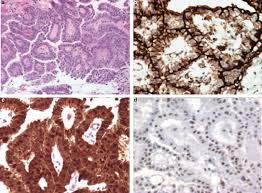
Sarcomatoid mesothelioma is one of the three main sub types of mesothelioma that are grouped according to how the cells look under a microscope. The other two are epithelioid mesothelioma and biphasic mesothelioma. These types of mesothelioma cells can further divide into other types of cancerous cells called

    * Clear cell
    * Small cell
    * Acinar cell
    * Tubopapillary cell

Diagnosis of Sarcomatoid Mesothelioma
Sarcomatoid mesothelioma is diagnosed by a histopathologist who examines a section of suspect tissue using a high powered microscope. A section of tissue is removed through a type of diagnostic surgery called a biopsy. Sarcomatoid mesothelioma is sometimes confused with other sarcomas because it originates in the same areas of the body and has a similar cellular structure.

What is malignant mesothelioma and how many types are there?
Mesothelioma is a cancer that affects mesothelial tissue. Mesothelial tissue includes the pleura, which envelopes the lungs and lines the chest cavity, the peritoneum, which lines the abdomen, and the pericardium, which surrounds the heart. Malignant mesothelioma is an exceptionally rare disease that has thus far been linked exclusively with asbestos exposure - between 70% and 80% of persons diagnosed with mesothelioma can trace the condition to asbestos exposure.

Sarcomatoid Mesothelioma in Summation
Sarcomatoid mesothelioma is the most serious form of mesothelioma, and it rarely responds to treatment. Fortunately, it is also the least common form of mesothelioma, and only strikes 10 to 20% of patients.It appears as spindle-shaped pattern of cells that overlap one another, and generally arises from support tissues such as bone, cartilage, muscle, and fat. The mesothelioma prognosis for this type of cancer is bleak and death usually occurs within six months of diagnosis.

Sarcomatoid Mesothelioma Legal Help
If you or your loved one has been diagnosed with sarcomatoid mesothelioma, you might be entitled to compensation. Please contact a considerate personal injury attorneywho will thoroughly evaluate your case to recommend the most appropriate legal action. In certain cases, a mesothelioma lawsuit can help victims of asbestos exposure obtain compensation for their medical expenses, emotional suffering, lost income and loss of lifestyle. You should also talk to a skilled lawyer if your loved one has died due to an asbestos-related disease, such as sarcomatoid mesothelioma. A wrongful death lawyer might file a wrongful death lawsuit to hold those responsible for your suffering financially liable.

Pleural Mesothelioma

Pleural mesothelioma is often seen in people who have been exposed to high levels of asbestos on the job. It sometimes takes 10 years or more for changes to appear that are indicative of pleural disease which affects the thin membrane layer in the chest. These differences can include a thickening or calcification of the pleural lining and is usually diagnosed as pleural plaques, pleural thickening and pleural calcification.
In most instances, pleural disease is not considered fatal but it does have the ability to impair lung function and it does confirm that a person has sustained significant asbestos exposure and could be at a higher risk for developing more severe asbestos cancer. If you have been diagnosed with pleural disease it is important to preserve your legal rights.

However, pleural plaques can lay the groundwork for pleural mesothelioma, which is an extremely aggressive cancer known only to be caused by asbestos exposure. Pleural mesothelioma originates in the pleura but quickly spreads to the outer chest wall, abdomen, and heart. Pleural mesothelioma is typically fatal within 1 year of diagnosis. However, early recognition of risk factors, like asbestos exposure will typically lead to early detection of the cancer. Those whose disease is discovered early enough will likely be much more eligible for life-sustaining and bettering treatments. Patients who receive an early mesothelioma diagnosis may be eligible for surgical resection of the cancer, which can extend life years beyond that of typical mesothelioma patients.

There are ways for patients to manage the disease through mesothelioma treatment, including traditional mesothelioma radiation and chemotherapy methods which can ease symptoms of the disease and make the cancer much more manageable. In patients where a diagnosis is made of early stage disease, mesothelioma surgery can extend the survival rate far beyond previous levels in untreated disease.

Asbestos lawsuits

Asbestos lawsuits are filed by plaintiffs who have suffered as the result of asbestos-related illness. Plaintiffs in asbestos lawsuits can include the victims of asbestos exposure, or their families or loved ones. Defendants against asbestos lawsuits are those parties considered responsible for the asbestos exposure. In the past, targets of asbestos lawsuits have included:

    * Employers
    * Asbestos manufacturers
    * Asbestos installers
    * Landlords
    * Leasing agents

Financial Recovery for Wrongful Asbestos Exposure
The purpose of asbestos lawsuits is to recover financial damages that result from asbestos related illness. Possible financial recoveries from asbestos lawsuits include:

    * cost of medical bills
    * lost wages
    * other associated costs

In some asbestos lawsuits, punitive damages (designed to punish the defendant) are also awarded. A few states permit asbestos lawsuits to be filed by people who reasonably expect to develop asbestos-related illnesses. These asbestos lawsuit regulations allow individuals exposed to asbestos to attempt to prepare financially for likely diseases. Many asbestos lawsuits have served to help publicize the adverse health effects of asbestos exposure; increasing numbers of asbestos lawsuits are decided for the plaintiffs as information about asbestos and the dagners of exposure becomes common knowledge.

Although asbestos lawsuits can be complicated at first glance, a number of individuals have benefited from asbestos lawsuits, including families of victims, left with enormous medical and funeral costs. For more about asbestos lawsuits and whether your situation is appropriate for this proceeding, it is prudent to consult with an asbestos lawyer familiar with asbestos law.
How Can an Asbestos Lawyer Help?

Asbestos Lawsuits can help victims in recovering compensation related to asbestos-caused mesothelioma. Many of the asbestos lawyers, or mesothelioma attorneys, with experience in this field have successfully claimed costs from those responsible for asbestos exposure. Mesothelioma attorneys can help obtain compensation for cost of treatment and other expenses that come along with fighting any type of mesothelioma cancer, asbestosis, or other asbestos-caused diseases..

A mesothelioma attorney can meet with victims to discuss liability in mesothelioma cases; using their prior experience, mesothelioma attorneys can often predict the likelihood of success of a particular asbestos case. A good mesothelioma lawyer will have the legal knowledge and connections to pressure reluctant parties into accepting accountability. Many mesothelioma attorneys end up enabling their client to collect without ever having to go to trial. Mesothelioma attorneys can also help put their clients in touch with the clients of other asbestos attorneys if both parties agree, so that the parties represented by both mesothelioma attorneys may exchange information and support that is especially important with such a rare disease.

Mesothelioma Treatment

There is no truly effective treatment of mesothelioma, which gradually invades the chest wall and lungs. The efficacy of various treatment methods is reduced. The multimodal treatment of mesothelioma comprises:

   1. surgery - extra pleural pneumectomy (the surgical removal of the parietal pleura, of the pericardial, of the diaphragm and lungs, on the side of the tumor); this is relevant to the patients diagnosed in the incipient stage.
   2. chemotherapy - pre or postoperative
   3. radiotherapy

It is very important to tell your doctor about the fact that you worked with asbestos!
Mesothelioma treatment depends on many factors such as: age, history of the patient's pathology (disease related), general condition and even body weight. Other factors are: the expansion stage of the tumor and its location.

The mesothelioma solution
In the case of this disease the solution adapted by almost every doctor is surgery. The surgery can remove a large proportion of the lung affected, even the entire lung if necessary, but also the surrounding structures that are attached to the tumor. Enlargement of the surgery will depend on the extension of the tumor. However, chemotherapy is also recommended. For this procedure are used drugs that kill the cancer cells. These medicines may be administered orally or intravenously. Through blood, the administered substances reach the cancer cells and destroy them.

Radiotherapy is also indicated. For this procedure X-ray are being used, which can be applied outside the body (by external radiation therapy) or inside the body (by internal radiation). Internal radiation therapy is performed using a plastic tube through which the doctor can also administer medication.

Practicing a radical intervention is associated with one survival of 48% at 5 years at some specified categories of patient (with histopathological epitelioid type and not sarcomatos, without metastases in the ganglia nodes). Some doctors do not believe that radical operations are the best option. It is required trial better achieved in order to provide grounds for establishing the optimal therapeutic guide. In this respect in Britain was initiated the MARS study (Mesothelioma and Radical Surgery) which till 2012 will offer an answer to this problem, in time for the following epidemic.

The way to treat mesothelioma
Adjuvant therapy is highly controversial, with experts who considered the peritoneal mesothelioma chemo-resistant. With good results at 22 months after administration proved to be the combination of Cisplatin, Etoposide and sodium thiosulphate, the only side effect being neutropenia. The administration of Cisplatin in combination with Ara-C intra peritoneal, in the case of small tumors, resulted in the fact of maintained remission at 54 months after administration.

Another chemotherapeutic with preoperative and postoperative intra peritoneal administration, with favorable results was Mito-xantrone, but which proved to cause severe intestinal fibrosis. Pemetrexedul is a compound that blocks the folic acid of the metabolism, affecting the cellular availability of the vitamins from group B. A phase III trial gave promising results, being obtained a decrease of the tumor diameter by 40%. A new cytostatic scheme is accepted for peritoneal mesothelioma, with Pemetrexed and Gemcitabine, the results were positive when applied to patients who haven't received preoperative or postoperative chemotherapy. Currently there are studies with Onconase and doxorubicin versus Doxorubicin in the administration of a chemotherapy course a week for 18 weeks, the results being encouraging.

Mesothelioma Symptoms

A patient with mesothelioma typically demonstrates symptoms between 20 and 50 years after initial exposure to asbestos. The cancer can take decades to develop and symptoms do not arise until after the cancer is present. Many patients are unaware of the severity of their condition because mesothelioma symptoms often resemble those of less serious illnesses.

If you have a history of asbestos exposure, the primary cause of mesothelioma, it is best to seek immediate medical advice. Informing your doctor of previous asbestos exposure may alert them to the possibility of an asbestos-related disease. An early diagnosis can significantly impact a patient's mesothelioma life expectancy.
Early Symptoms of Mesothelioma

Mesothelioma symptoms rarely arise at an early stage, which is why the disease is commonly diagnosed at a late stage of development. In the interest of early detection, those who were exposed to asbestos but have not yet exhibited symptoms should undergo regular chest X-rays or pulmonary function tests to monitor any signs of asbestos inhalation.

When a doctor informs a patient of a mesothelioma diagnosis, patients and their loved ones may become very confused since the cancer is relatively unknown. Asbestos.com provides a complimentary packet with comprehensive information about mesothelioma symptoms and next-step guidance following a diagnosis.
Pleural Mesothelioma Symptoms

Pleural mesothelioma is the most common form of the cancer, comprising approximately two-thirds of all mesothelioma cases. Known symptoms of pleural mesothelioma include:

    * Persistent dry or raspy cough (typically non-productive, meaning there is little or no phlegm)
    * Coughing up blood (hemoptysis)
    * Difficulty in swallowing (dysphagia)
    * Night sweats or fever
    * Unexplained weight loss of 10 percent or more
    * Fatigue
    * Persistent pain in the chest or rib area, or painful breathing
    * Shortness of breath (dyspnea) that occurs even when at rest
    * The appearance of lumps under the skin on the chest

Symptoms of pleural mesothelioma occur as a result of thickening of the pleural membrane. This is caused by the rapid production of cancerous cells, which can lead to the buildup of fluid between membrane layers. Tissue thickening and fluid buildup place added pressure on the lungs, leading to reduced respiratory function.
Peritoneal Mesothelioma Symptoms

Peritoneal mesothelioma accounts for approximately 25 to 30 percent of mesothelioma diagnoses. Symptoms of this type may include:

    * Night sweats or fever
    * Unexplained weight loss
    * Swelling or pain in the abdomen
    * Anemia
    * Fatigue
    * Diarrhea or constipation (in general, any change in bowel habits or regularity)
    * Nausea or vomiting
    * The appearance of lumps under the skin on the abdomen

Symptoms are caused by the thickening of the peritoneal membrane and the resulting buildup of fluid between membrane layers. These changes in membrane composition place pressure on the abdominal region and organs, causing a patient to demonstrate symptoms of the cancer.
Pericardial Mesothelioma Symptoms

Pericardial mesothelioma accounts for less than 5 percent of all mesothelioma cases. Symptoms are caused by thickening of the pericardial membrane and fluid buildup. Symptoms of this form of mesothelioma are known to include:

    * Heart palpitations or irregular heartbeat
    * Chest pain
    * Difficulty breathing, even when resting (dyspnea)
    * Fever or night sweats
    * Generalized fatigue

Pericardial mesothelioma is so rare that the recognized body of symptoms is not as well-developed as with more common types of mesothelioma. It is a particularly difficult type of mesothelioma to diagnose and this correlates to a poor prognosis among pericardial mesothelioma patients.
Testicular Mesothelioma Symptoms

Testicular mesothelioma is an extremely rare form of cancer, as less than 100 cases of testicular mesothelioma have been recorded in the last 60 years. With so few cases recorded, very little is known about the symptoms of this disease. The only known symptom of testicular mesothelioma is the appearance of testicular lumps and the lumps may or may not be painful.

Mesothelioma and Lung Cancer

Pleural mesothelioma and lung cancer are both serious illnesses, but they are not the same. Pleural mesothelioma – sometimes called “asbestos lung cancer” – is really not a form of lung cancer because it does not develop in the tissue of the lungs. Instead, it is a cancer of the lining that surrounds the lung (the “pleura”).

Mesothelioma is caused almost exclusively by asbestos exposure. It is considered a “signature disease” for asbestos exposure, which means that, if you have mesothelioma, it can be assumed that you had exposure to asbestos at some point in your life. Smoking does not cause mesothelioma. Lung cancer can be caused by asbestos exposure; it can also be caused by smoking. In fact, someone who smokes and was exposed to asbestos has a much higher risk of getting lung cancer. See Asbestos and Smoking.

Asbestos and Smoking
Asbestos exposure and smoking have something in common: they are bad news for your body, especially your lungs, and they are even worse when they happen together. If you have an asbestos-related disease, quitting smoking can help slow the progression of your disease, make is easier for you to breath, improve blood flow, and decrease stress on your heart. But quitting smoking is also important to cut your risk of getting cancer in the future, whether you are sick today or not.

You probably know that we are all exposed to things that can cause cancer. What you may not know is that sometimes combinations of exposures are more dangerous than the sum of the individual exposures. For example, it is generally accepted that asbestos exposure can make someone 5 times more likely to get lung cancer. Smokers are approximately 10 times more likely to get lung cancer. But if you are a smoker and were also exposed to asbestos, your risk is not 15 times higher—it’s about 50 times higher! Instead of adding the increased risks created by asbestos and smoking, the risks are multiplied when they occur in the same person. This is called a synergistic effect.

There is nothing that can be done about the increased risk of cancer caused by asbestos exposure. The asbestos fibers stay inside the body even when you are no longer exposed to asbestos. But something can be done about the risk of cancer caused by smoking. According to the American Lung Association, if you quit smoking today, in ten years your increased risk of lung cancer attributable to smoking would be half that of a continuing smoker. Your risk of heart disease, stroke and several other cancers would also decrease substantially.

Mesothelioma Lawyers

Mesothelioma is a disease that, until recently, was extremely rare.  To date, little is know about the condition. However, as the rate of the disease has increased, a new breed of lawyers – those dealing specifically with mesothelioma lawsuits – have stepped in to fight for the rights of victims afflicted with this disease. These lawyers and law firms  often deal exclusively with mesothelioma victims and their families who wish to claim compensation from the companies that were responsible for their exposure to asbestos. These mesothelioma lawsuits often result in millions of dollars for the victims when handled by an experienced lawyer or law firm.

Those who have been diagnosed with mesothelioma have every right to file a lawsuit. Many of the companies responsible for exposing workers  to asbestos were well aware of its dangers and effects, but still saw fit to let their workers continue with little or no protection against the dust and fibers that emanated from this hazardous material. Now, decades later, the effects of this exposure is taking its toll on American workers just as they reach their golden years. These workers are entitled to compensation and justice for their pain, suffering and loss of life.  A mesothelioma lawsuit can provide them with such justice.

Today, there are many mesothelioma lawyers to choose from.  The number of lawyers and law firms handling these lawsuits is on the rise. Many of these lawyers have dealt with numerous mesothelioma lawsuits and have a good deal of experience and knowledge about the disease. Those looking for a mesothelioma lawyer should chooser someone that has proven experience in the field. Most reputable lawyers will be happy to provide facts and figures on previous cases that they have handled.  However, these lawyers often do not provide private information that might be subject to confidentiality. They can, however, provide you with details on how quickly cases were resolved, how much compensation was successfully obtained and how many mesothelioma lawsuits they have dealt with.

It is also worth finding out about the mesothelioma lawsuits that were not successful, and why they were not successful. It may be something as simple as a missed piece of evidence to failure to comply with sensitive timetables associated with such cases.  These elements can make the difference between a successful and an unsuccessful lawsuit.  By finding out why some lawsuits resulted in no compensation, you may be able to avoid making the same type of mistake.

It is important that you find a good, experienced mesothelioma lawyer as soon as possible after you have been diagnosed with the disease. Most states have a set time limit in which you can file your lawsuit, and it is very important that you not miss that deadline known as a statute of limitations. Otherwise you may find that you are ineligible to make a claim. You also need to give your lawyer as much time as possible to do the necessary research and put together a solid and case against the negligent parties. In short, the earlier you get to a mesothelioma lawyer, the better your chances of success.

Many people are concerned because they do not know exactly where and when they were exposed to asbestos. Some people may have worked in several different places and been exposed to asbestos on numerous occasions. However, your mesothelioma lawyer can help in identifying products that you were exposed to. If necessary, your mesothelioma lawyer will hire the services of a private investigator to find out where the exposure took place. With some research and digging, the lawyer is generally able to pinpoint the company or companies responsible for the exposure.

Again, this can take time and is another reason why it is so important to find a mesothelioma lawyer as soon as possible after the diagnosis of the cancer has been confirmed. Understandably, patients who have just been told that they have mesothelioma will have a great deal on their minds and filing a lawsuit may not be one of their priorities. However, the timely process of selecting a lawyer and filing your lawsuit can make all the difference in securing the future of your family.

 
Copyright 2010 Mesothelioma Lawsuits Information. All Rights Reserved